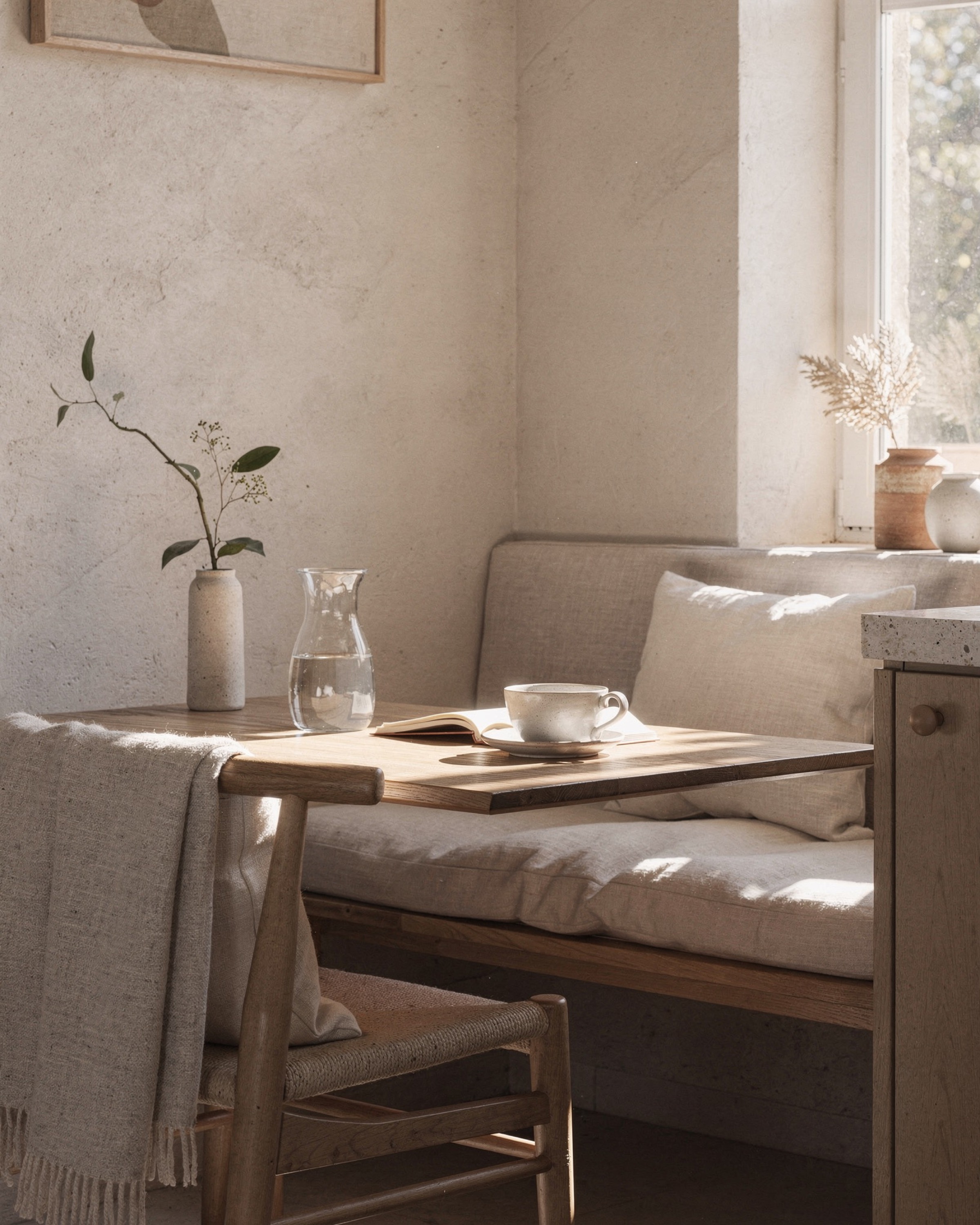
For a long time, wellness online has looked either impossibly polished or aggressively optimized. It can seem like the goal is to own the right glass jars, follow the right morning routine, replace everything in a weekend, and somehow become a calmer person in the process. Real life usually does not work like that. A well home does not begin with perfection. It begins with a few steady choices that make the space feel better to live in.
To me, wellness at home looks less like performance and more like relief. It looks like walking into a space that does not immediately ask more from you. It looks like counters you can reset in a few minutes, products you do not have to overthink every time you use them, and rhythms that make the next part of the day easier instead of harder. The point is not to create a home that is always camera ready. The point is to create a home that quietly supports you.
It should feel supportive, not stressful
One of the easiest ways to tell whether a routine is helping is to notice how much friction it creates. If your version of wellness makes normal life more tense, more expensive, or more mentally crowded, it probably needs to be simplified. A supportive home has fewer decision points. You know where things go. You know what gets used often. You know what you trust enough to keep buying. That kind of simplicity is not boring. It is what gives you your energy back.
This is especially true at home because the small things repeat. The hand soap by the sink, the laundry routine, the products on the kitchen counter, the way the bedroom feels at the end of the day. None of those choices has to be dramatic to matter. Their impact comes from repetition. When repeated parts of home life feel cleaner, calmer, and more intentional, the whole house starts to feel different even if nothing looks radically new.
Start with what touches daily life the most
Wellness at home usually does not begin with a full reset. It begins with the categories that show up all the time. The things you spray, wash with, sleep near, cook around, and keep within reach. Daily exposure is part of what makes home choices feel meaningful, but it is also what makes change more manageable. You do not have to rethink everything. You only have to notice what repeats often enough to be worth your attention.
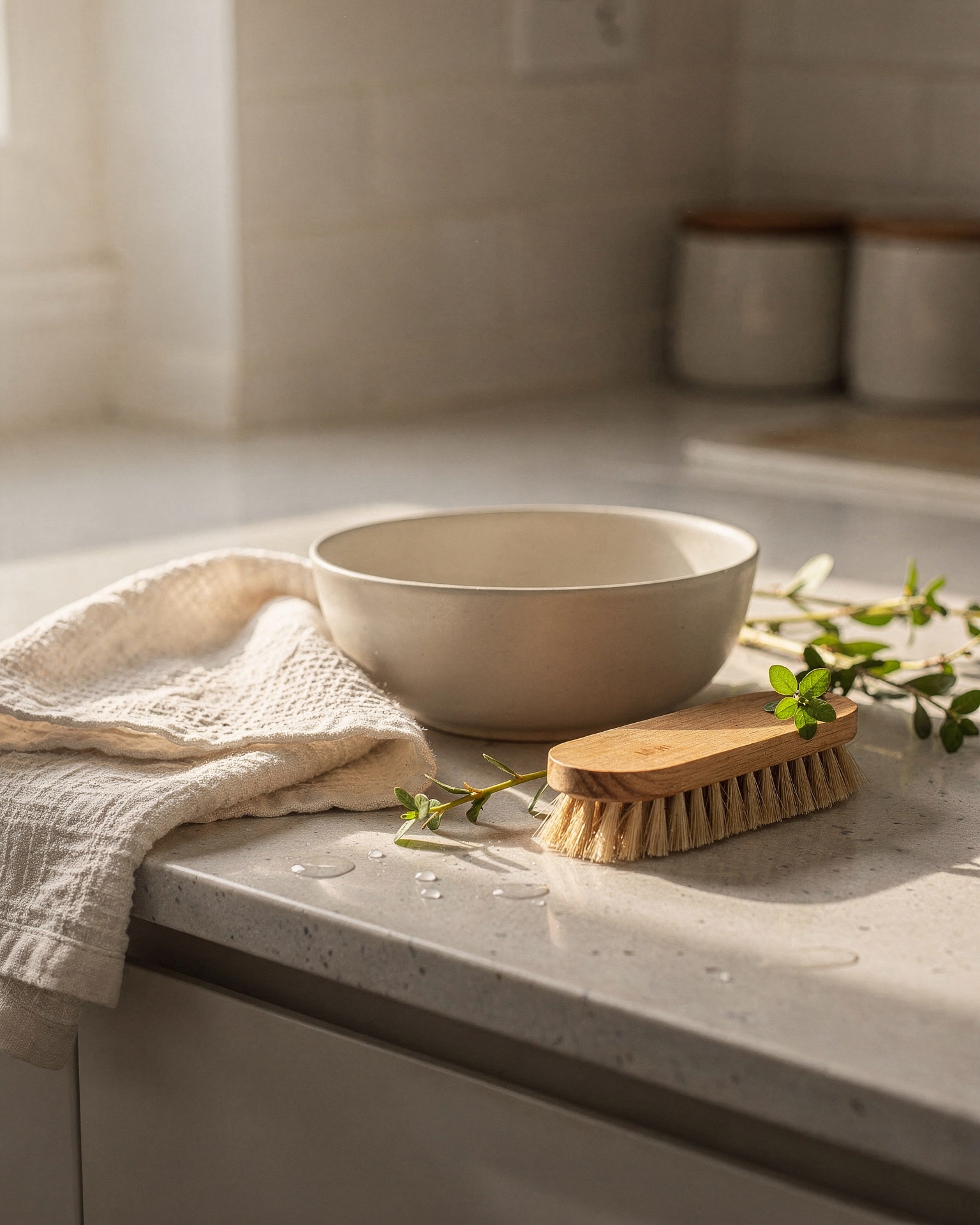
That is why I think the strongest first changes are often the least flashy ones. Clearing visual clutter from one surface. Making laundry feel less chaotic. Keeping the kitchen easier to reset after dinner. Choosing fewer products you feel good about instead of collecting more things in the name of wellness. These are not glamorous shifts, but they create the kind of environment that feels easier to care for and easier to come home to.
A well home is usually quieter than you expect
Sometimes people assume a healthier home will feel stricter, but I think it often feels gentler. There is less visual noise. Less urgency. Less of that low-level feeling that everything is waiting for you all at once. You are not trying to win at homemaking. You are trying to lower the background stress inside your space. That might mean fewer harsh scents, fewer products competing for room, fewer piles you keep stepping around, or fewer tasks that only happen once things feel out of control.
Quiet does not mean empty or sterile. It means your home is not constantly interrupting you. There is a difference between a beautiful space and a regulating space. A regulating space helps you exhale a little. It gives you fewer obstacles between intention and action. You drink more water because the glass is easy to grab. You reset the room because it takes three minutes, not thirty. You go to bed in a calmer room because the day has not been left everywhere around you.
Small systems matter more than big overhauls
This is the part I come back to over and over. Most people do not need a more ambitious wellness plan. They need a home that is slightly easier to maintain. A basket where clutter tends to collect. A short evening reset instead of a once-a-week rescue mission. Fewer backups stuffed under the sink. A cleaner standard for what gets restocked and what does not. A little more margin in the places that usually become stressful first.
The reason small systems work is that they respect real life. They assume people get busy, feel tired, forget steps, and still want a home that feels good. When a system is realistic, you can return to it quickly. That matters more than having an impressive plan you only follow when life is calm. Wellness at home becomes believable when it survives ordinary weeks, not just ideal ones.
Let progress feel lived in
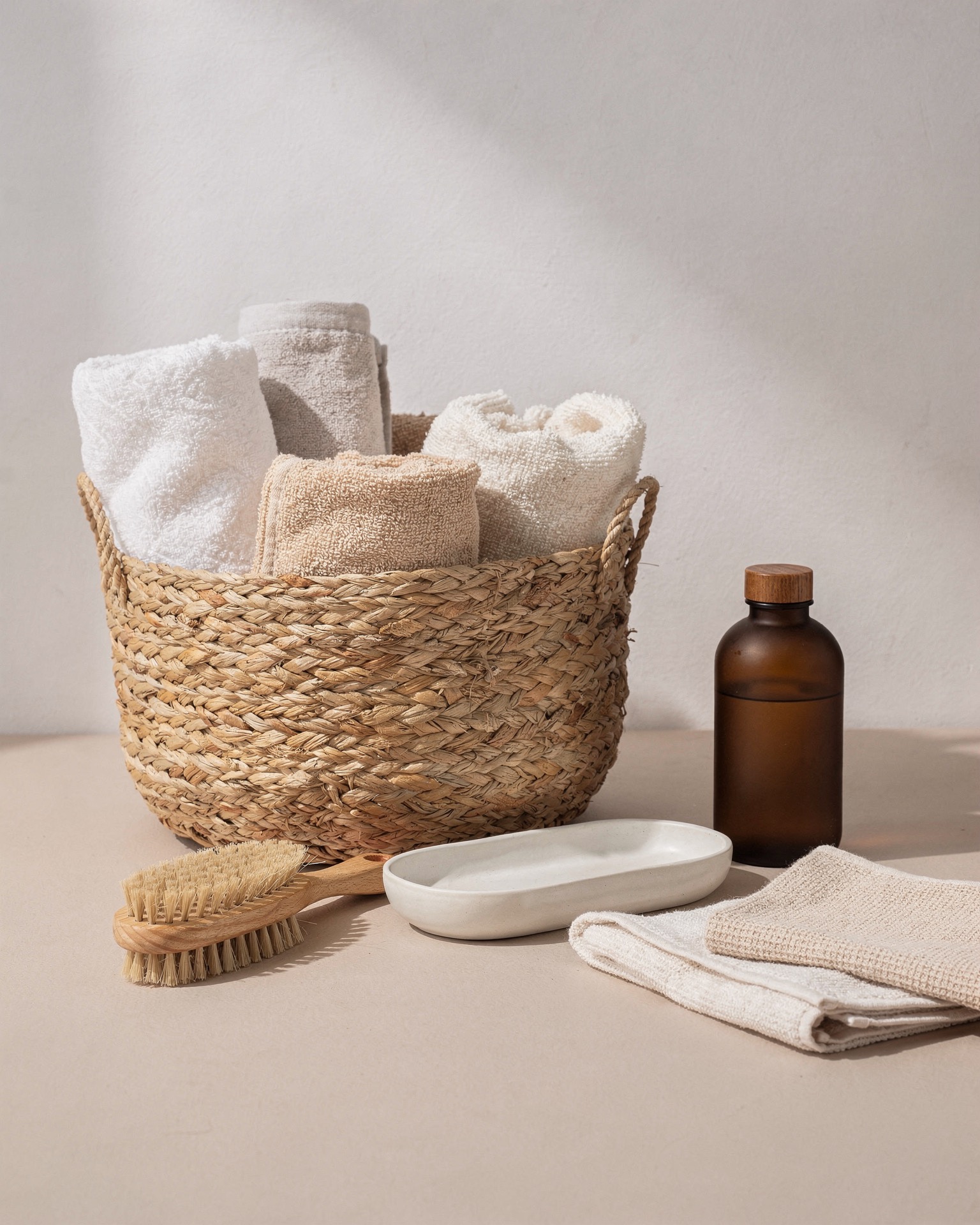
A lot of women are trying to build a home that feels cleaner and more thoughtful without tipping into obsession. I think that is a healthy instinct. You can care about ingredients, atmosphere, and everyday products without making your house feel tense. You can raise your standards without turning your routines into a constant self-improvement project. The goal is not to prove how disciplined you are. The goal is to make daily life feel better held.
That also means letting the process be gradual. Maybe you start with one room that affects your mood the fastest. Maybe you simplify one shelf, one basket, one part of your cleaning rhythm. Maybe you stop rebuying things that never actually made life easier. Maybe you pay attention to what helps your home feel lighter and repeat that. You do not need a dramatic reveal for change to be real. Lived-in progress is still progress.
What this looks like in practice
In practice, wellness at home often looks simple. It looks like a kitchen that can be reset before bed. A laundry routine that does not spiral for six days and then take over a whole afternoon. A bathroom counter with less visual clutter. Bedding and towels that feel fresh because there is a rhythm behind them. A short list of products you trust instead of a rotating cast of maybes. It looks like removing a little friction from the places that shape your day the most.
It also looks like leaving room for beauty. Not perfection, but warmth. Natural light where you can get it. A chair that invites you to sit down for a minute. A cleared table instead of a surface that is always in transition. A home can be practical and still feel soft. In fact, that is usually the sweet spot. When a space is both functional and calming, it becomes easier to care for yourself inside it.
A better question to ask
Instead of asking whether your home looks healthy enough, I think a better question is whether it supports the life you are actually living. Does it make the basics easier. Does it lower the noise. Does it help you take care of your body, your people, and your space without adding another layer of overwhelm. Those are the questions that tend to lead to meaningful changes.
That is what wellness at home actually looks like to me. Not a perfectly edited life, but a steady one. A home with a little more breathing room, a little less guesswork, and a little more intention in the places that matter every day. If you start there, the rest has something solid to grow from.